Business Analyst · Glasgow

From messy process to a clear, testable plan

I find out how work really happens, map where it breaks, and turn that into requirements, user stories and tests that the team can build and sign off.

Featured project

Training provider: replacing spreadsheets with a CRM

An independent training provider was running every enquiry, lead and follow-up from spreadsheets passed between head office and local centres. On contract with Caldwell Foster Advisory, I took the project from business case through requirements, wireframes and UAT, then handed the open items to the in-house team.

3CRM options costed
27Requirements catalogued
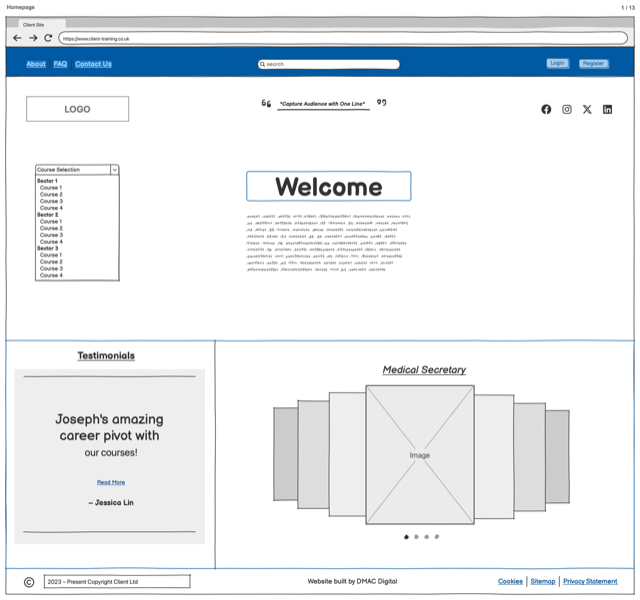
13Wireframes
35UAT tests: 27 passed

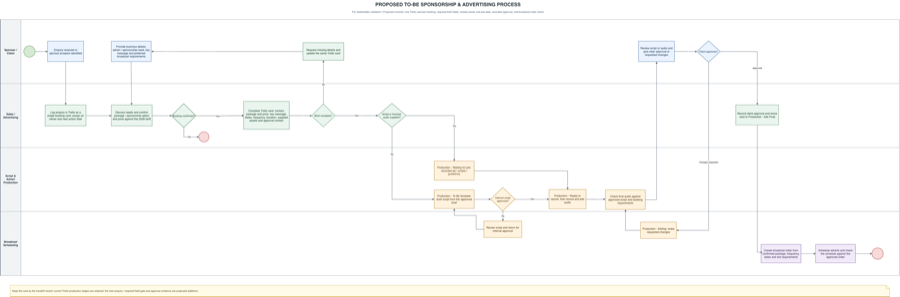
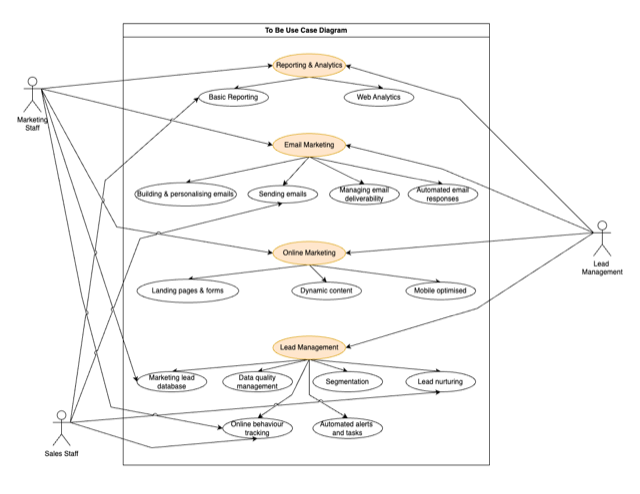
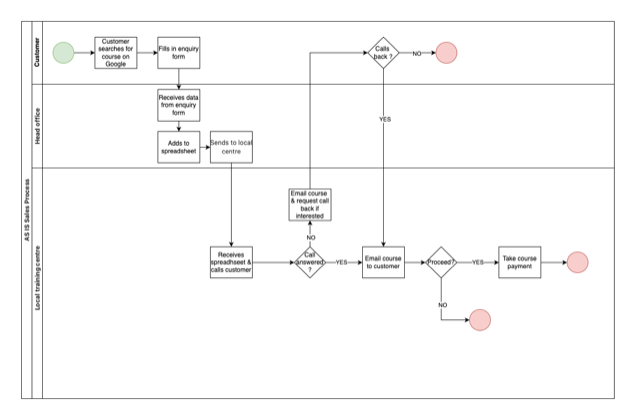
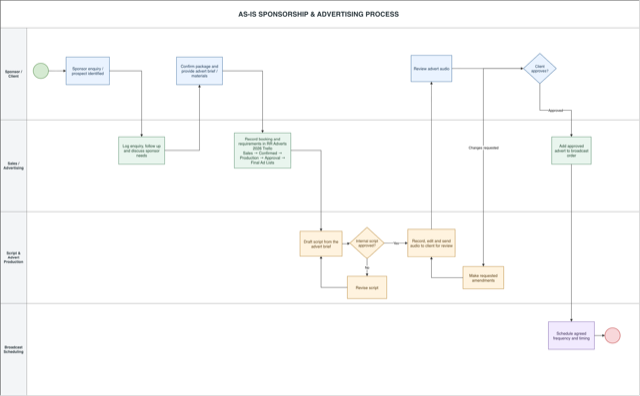
Also produced: stakeholder analysis, as-is BPMN, to-be use case diagram, end-of-project report and a Jira handover board. Read the case study →

Case studies

Two projects, end to end

Each case study follows the six-phase delivery lifecycle below, from defining the problem to proving whether the change worked.

How I work

The project delivery lifecycle

Six phases on every project, with traceability running through all of them. Select a phase to see my process and the evidence behind it.

01

Initiation

What's the problem?

My process

  1. 1Map stakeholders
  2. 2Discover the current state
  3. 3Find issues and opportunities
  4. 4Frame the problem
  5. 5Set outcomes and scope
Why it matters

Define the problem properly before anything is built, so every later decision rests on evidence.

5evidenced business concerns set out before any CRM was compared

Evidence from my projects

Stakeholder analysisInfluence and interest gridCurrent state discoveryProblem statementAssumptions and decisions log
How I do this, in detail

If Initiation is weak, everything after it wobbles: scope creeps, stakeholders disagree and requirements conflict. Even when leadership has already chosen the direction, the BA adds value by pinning down the problem, the impacts and measurable outcomes, so later decisions rest on evidence, not opinion.

  • Work in a deliberate order: stakeholders, then current state, then issues and opportunities, then the problem statement, and only then high-level requirements
  • Write the problem as problem, impact and outcome, backed by evidence, with no solution in it
  • Rate stakeholders on influence, interest and impact, not everyone as "high", and choose an engagement approach for each
  • Surface the trade-offs early, such as cost against capability, rather than hiding them or resolving them too soon
  • Play findings back to stakeholders before formalising, and log assumptions, open questions and decisions needed later

CRM transformation: The client had already shortlisted three CRMs. Before comparing them, I set out five evidenced business concerns and rated stakeholders in four distinct groups rather than marking everyone high, which surfaced an unconsulted technical owner as an integration risk. See it →

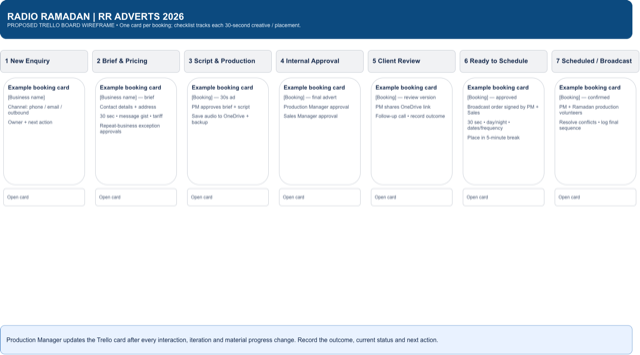
Radio Ramadan: Trello was already in use, so the question was how to make it work, not what to buy. I recorded which details stakeholders had confirmed, and kept a column of open questions to confirm against every user story. See it →
Toolkit

Tools and credentials

JiraConfluenceTrello Draw.ioBalsamiqFigma

BCS Foundation Certificate in Business Analysis · BSc (Hons) Product Design, University of Dundee